

Maximize Value for Your AAC Block Business: Smart Procurement Cost & Cost-Effectiveness Strategies Safermo
  January 8, 2026
 Safermo
  January 8, 2026
For AAC block manufacturers, optimizing procurement costs isn’t just about cutting expenses—it’s a core strategy to boost profit margins and stay competitive in the crowded construction materials market. From raw material sourcing to equipment purchasing, every procurement decision directly impacts the final product’s pricing and quality. Below are the four key pillars to balance cost control and cost-effectiveness for your AAC block production business.
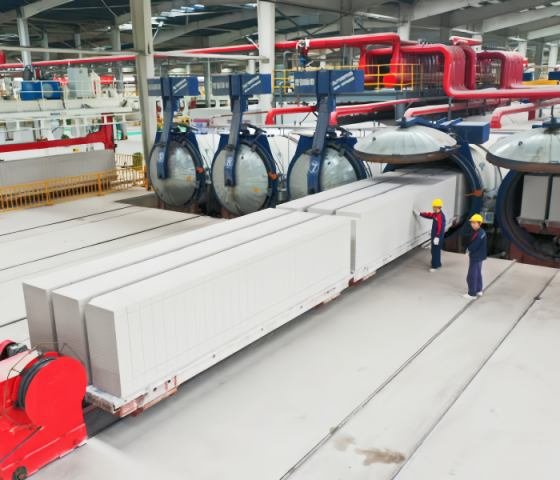
Factory Gate Unit Price – Look Beyond the Surface Quote
The factory gate unit price is the first figure most buyers compare, but it’s far from the full story. When evaluating quotes from suppliers, always clarify whether the price includes hidden costs like value-added tax (VAT), packaging fees, and quality inspection charges. Some suppliers offer seemingly low unit prices but exclude these essential costs, leading to budget overruns.
Prioritize All-Inclusive Pricing for Core Production Materials
For example, a supplier quoting $50 per cubic meter may seem cheaper than a competitor’s $52, but if the cheaper option adds $3 for packaging and $2 for tax, the total cost becomes higher. Always request a all-inclusive price breakdown to ensure accurate comparisons. This is especially critical when sourcing core production materials like sand, cement, and aluminum powder, which account for 60–70% of total production costs. When investing in production line upgrades, high-quality Machine often comes with transparent pricing that avoids post-purchase hidden fees.
Transportation Costs – Minimize Radius to Cut Logistics Expenses
AAC block raw materials are bulky, and finished products are lightweight yet voluminous—two factors that make transportation a major cost driver. For raw materials like sand and lime, prioritize suppliers within a 50-kilometer radius of your plant. Shortening the transportation distance can reduce logistics costs by 20–30%, as it cuts fuel expenses and lowers the risk of material damage during long hauls.
Optimize Equipment Sourcing to Reduce Shipping Burdens
For specialized equipment like autoclaves or mixers, consider local or regional vendors to avoid high international shipping fees and import tariffs. If you have to source equipment from overseas, negotiate consolidated shipping with the supplier to share costs with other buyers. Remember: every kilometer added to the transportation route eats into your profit margin. Investing in a full set of reliable Machinery for producing AAC blocks from a nearby supplier can drastically cut down on long-distance shipping costs and delivery delays.
Loss Rate Control – Secure Compensation to Avoid Unplanned Costs
Material loss is inevitable during transportation, loading, and unloading, but a proactive procurement strategy can mitigate this risk. When signing contracts with suppliers, clearly define the loss compensation clause. For bulk raw materials, a reasonable loss rate is 2–3%; any loss beyond this range should be covered by the supplier.
Choose Materials and Equipment That Reduce Production Waste
For AAC block production equipment, demand a warranty that covers damage during transit and installation. Additionally, evaluate the cutting loss rate of raw materials provided by suppliers. High-quality sand with uniform particle size reduces cutting waste during the molding process, lowering the overall material consumption rate by 5–8%. Choosing such suppliers may cost slightly more upfront, but it pays off in reduced waste over time.
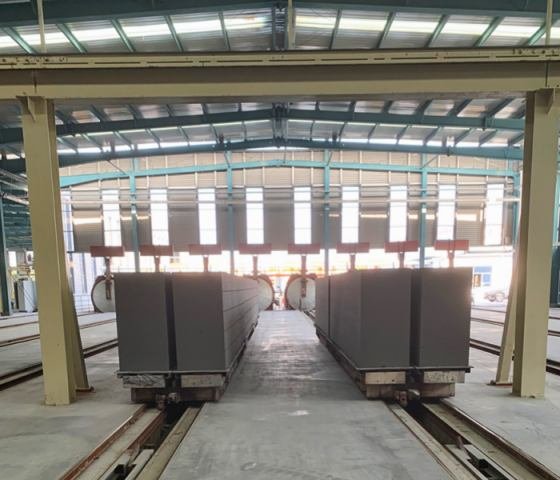
Bulk Purchase Discounts – Negotiate Long-Term Agreements for Maximum Savings
For large-scale AAC block manufacturers, bulk purchasing and long-term supply agreements are game-changers for cost optimization. Most suppliers offer tiered price reductions—the more you order, the lower the unit price. For example, a 10% discount on annual cement purchases can translate to thousands of dollars in savings.
Lock in Rebate Policies for Sustained Cost Savings
Negotiate rebate policies for long-term contracts (1–3 years). Some suppliers offer a 2–5% annual rebate based on total purchase volume, which can be reinvested into equipment upgrades or production expansion. When finalizing these agreements, include clauses for flexible delivery schedules to align with your production cycles, avoiding overstocking and storage costs.
In conclusion, balancing procurement costs and cost-effectiveness requires a holistic approach—looking beyond unit prices to consider hidden fees, transportation distances, loss compensation, and bulk discounts. By mastering these strategies, your AAC block business can reduce operational costs while maintaining product quality, securing a strong position in the construction materials market.